 Explore

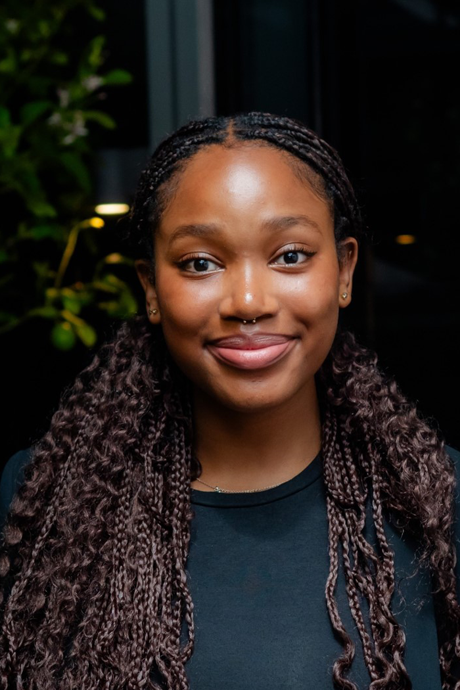
University of Cape Town
BSc Computer Engineering
QEP Delegate
Tell us about a time you stepped into something unfamiliar. What did you learn about yourself?
By going to America on exchange, I discovered that I enjoy teaching people about South Africa.
If you had to design a team survival kit for navigating the unknown, what 3 things (skills, attitudes, or tools) would you include?
Problem-solving skills.
Optimistic attitude
ChatGPT pro
How do you stay grounded when you're outside your comfort zone?
I've faced difficult challenges in my life and managed to get through them all.

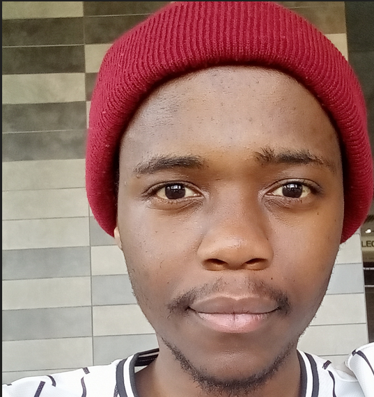
North-West University
BSc Actuarial Science
QEP Delegate
Tell us about a time you stepped into something unfamiliar. What did you learn about yourself?
Going to university, an unfamiliar place and people. What I learned is that when it comes to push and shove, I can adapt to new environments and people.
If you had to design a team survival kit for navigating the unknown, what 3 things (skills, attitudes, or tools) would you include?
Clear communication, be humble and RStudio.
How do you stay grounded when you're outside your comfort zone?
Being humble and open-minded, and seeing it as an opportunity to uplift myself.
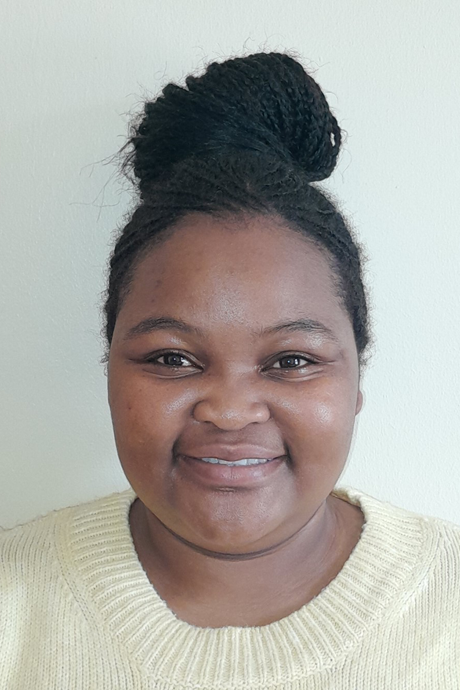
University of Cape Town
BSc Computer Science
QEP Delegate
Tell us about a time you stepped into something unfamiliar. What did you learn about yourself?
When I started university, I came from a completely different environment. Everything felt new – from the pace to expectations. Instead of letting the pressure overwhelm me, I asked questions, sought support, and pushed myself to adjust. That experience made me realise I adapt quicker than I had thought, and I'm not afraid to learn from others.
If you had to design a team survival kit for navigating the unknown, what 3 things (skills, attitudes, or tools) would you include?
1 Adaptability: to help the team adjust quickly when plans change.
2 Communication: to ensure everyone stays aligned and shares challenges clearly.
3 A learning mindset: to encourage curiosity rather than fear, enabling the team to research, ask questions, and grow through new experiences.
How do you stay grounded when you're outside your comfort zone?
I stay grounded by reminding myself that growth often happens in unfamiliar spaces. I take things step by step so that I don't get overwhelmed. When I need support, I ask questions and seek guidance rather than trying to handle everything alone. I remind myself that it's normal not to know everything and that every unfamiliar situation is an opportunity to learn.

University of Cape Town
Chemical Engineering
QEP Delegate
Tell us about a time you stepped into something unfamiliar. What did you learn about yourself?
The first time I ran a half marathon, I did it alone. I was unsure what to expect, but I realised that I am capable of more than I thought and that I can adapt to my environment when needed. Another time I stepped into something unfamiliar was when I first tried surfing. Not knowing how the ocean would behave, my lack of experience taught me the importance of staying open and curious without fearing mistakes.
If you had to design a team survival kit for navigating the unknown, what 3 things (skills, attitudes, or tools) would you include?
1 Open-mindedness: to stay open-minded and curious when solving problems.
2 Patience and respect: to create a safe space that helps people engage and grow as a team.
3 Structure or strategy: to ensure coherent and meaningful progress, while practicing active listening so that all members feel comfortable and apart of the team.
How do you stay grounded when you're outside your comfort zone?
I remind myself that I am outside of my comfort zone to push existing boundaries. I also remind myself that, whatever happens (mistakes included), the focus is on learning rather than on results.
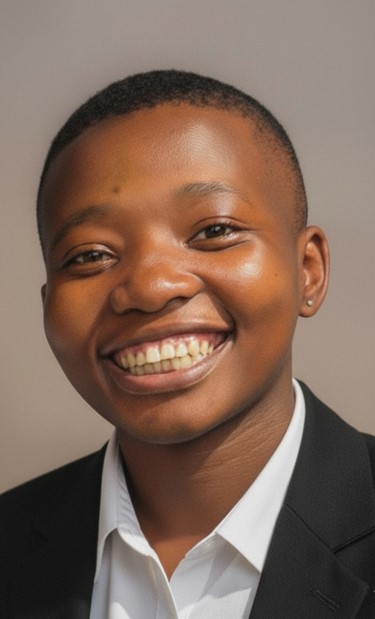
University of the Witwatersrand
Actuarial Sciences
QEP Delegate
Tell us about a time you stepped into something unfamiliar. What did you learn about yourself?
A time I stepped into something very unfamiliar was when I moved from my hometown of Polokwane to Johannesburg for university. I was moving to a large, new city where I had no family and I knew how unsafe the city could be, which was intimidating.
It made me realise that experience was that I am far more resilient and independent than I had previously given myself credit for. I realised that when I am committed to a goal (in this case, getting the best possible education) I have the courage to take calculated risks and step far outside my comfort zone. It proved that I can rely on myself to adapt, navigate new environments, and build a life from scratch.
If you had to design a team survival kit for navigating the unknown, what 3 things (skills, attitudes, or tools) would you include?
1 The right attitude and a goal-oriented approach: to keep the team more focused on finding the best solution rather than on being right. It means creating an environment where everyone feels comfortable admit if they are 100% sure about something and willing to double-check it that an initial idea was flawed. Removing ego allows the team to focus on solving the actual problem, which is for more efficient.
2 Constant and honest communication: to ensure team members share updates, ask for help, and admit when they are stuck or unsure. This prevents small misunderstandings from turning into major, last-minute issues.
3 A shared, simple plan: to provide clarity on who is doing what and when. This could be a shared Google document or a to-do list. When the main problem feels big and confusing, having a clear plan in front of you keeps everyone calm and moving forward together.
How do you stay grounded when you're outside your comfort zone?
When I feel like that, I do 2 things:
1 Remind myself why I'm doing it. I think about my goal and tell myself that this is part of the plan. It's supposed to be hard, but it's worth it. It helps me make the uncomfortable feeling seem like it has a purpose.
2 Focus on 1 small thing at a time. If the whole project or subject feels too big, I focus on reading only this 1 page, or solve this 1 problem. Once I've completed that small thing, I feel a bit better and move on to the next small thing. So, I guess it's a mix of remembering the main reason and focusing on one step at a time.

University of Cape Town
BSc Civil Engineering
QEP Delegate
Tell us about a time you stepped into something unfamiliar. What did you learn about yourself?
University from high school. I thought I knew a lot, then I failed the first few tests. I found that adapting a philosophy was important. My philosophy is to stay consistent, no matter how hard it is.
If you had to design a team survival kit for navigating the unknown, what 3 things (skills, attitudes, or tools) would you include?
1 Discipline
2 Consistency
3 Business acumen coding
How do you stay grounded when you're outside your comfort zone?
I always remember the reason for pursuing this and I always look at the prize.
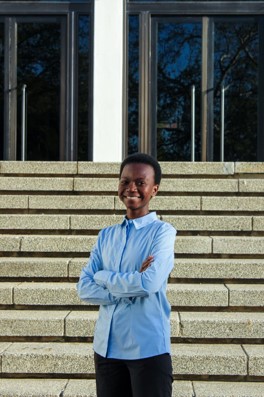
Stellenbosch University
BCom Mathematical Sciences (Financial Risk Management)
QEP Delegate
Tell us about a time you stepped into something unfamiliar. What did you learn about yourself?
One experience in which I stepped into something unfamiliar occurred during an internship where I worked in a team of 6 on 5 different projects. Our first project focused on researching issues that affected low performance in rural South African schools and proposing feasible solutions. We each conducted individual research, and after presenting our ideas to each other, I noticed that many of our solutions overlapped or complemented one another. Although I was not used to being vocal or taking the lead in group settings, I took the initiative to analyse everyone's input critically. I spent time deconstructing the ideas, identifying the collective strengths, and then merging them into 1 coherent, well-structured proposal. I did this on my own, without announcing it upfront, because I was unsure how the team would receive it. In our next meeting, I presented the combined proposal. Those few seconds before they reacted felt very uncertain, but the team responded positively and appreciated the improved flow and logic. From that point, finalising the research report became much easier because we now had 1 unified direction. That moment taught me a lot about myself. I learned that I can think critically on a deeper level breaking down information, reconstructing it, and creating logical structure. I also discovered that I can use my voice confidently and that taking initiative, even when uncertain, can move a project forward. That first project gave me a significant confidence boost which carried me through all the remaining projects. It showed me that I am capable of stepping into leadership moments, even in unfamiliar situations.
If you had to design a team survival kit for navigating the unknown, what 3 things (skills, attitudes, or tools) would you include?
1 Psychological safety and open communication. This is the attitude that every idea is welcome, with no judgement first. In uncertain situations, you need people to speak up quickly, challenge assumptions, ask obvious questions, and raise concerns. Psychological safety ensures the team uses everyone's brainpower instead of relying on 1 dominant voice. It's crucial for creativity and good decision-making under uncertainty.
2 Listen actively and respect everyone. Ensure everyone feels heard and valued. Active listening ensures that ideas aren't dismissed too quickly and that insights from different backgrounds, disciplines, or experiences are fully considered. Respecting others' viewpoints builds trust, reduces conflict, and helps the team identify blind spots they might otherwise miss. Sometimes the solution comes from the person you least expect.
3 Structured problem-solving framework. A simple shared tool, like 'Define > Analyse > Test > Refine' is needed so the team doesn't get overwhelmed with the project. It helps everyone break down the project complexity into manageable steps, make decisions faster, and avoid confusion. It keeps the team aligned and focused when the path is unclear.
How do you stay grounded when you're outside your comfort zone?
I stay grounded by pausing before I react. When I'm outside my comfort zone, I take a moment to approach the situation with calm curiosity. I breathe, observe what's happening, notice my emotions and thoughts, and really listen before I respond. That small mindful pause helps me stay present, regulate my emotions, and see the situation clearly rather than being swept away by pressure. I also remind myself that growth requires discomfort. Even if I don't perform perfectly, I know I'll still come out of the experience with growth, which means I'm better off than if I had avoided the discomfort altogether. That mindset helps me stay steady, open, and willing to take on challenges.
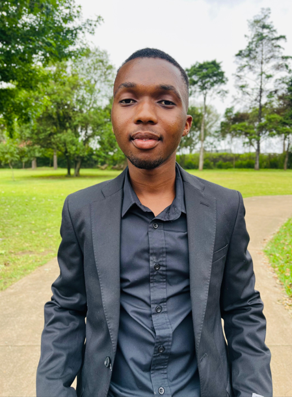
University of Cape Town
BSc Honours in Statistics and Data Science
QEP Delegate
Tell us about a time you stepped into something unfamiliar. What did you learn about yourself?
A time I stepped into something unfamiliar was when I started university. I had lived in one place my entire life, so I wanted something different. I decided to move to another province, and I was excited. This demonstrated that I like exploring and challenging myself.
If you had to design a team survival kit for navigating the unknown, what 3 things (skills, attitudes, or tools) would you include?
1 Curiosity
2 Resilience
3 An open mind
How do you stay grounded when you're outside your comfort zone?
Preparing myself mentally before delving into the unknown. Setting clear goals and listing them by priority. Journaling whenever I am overwhelmed to calm down. Circling back to my objectives from time to time as a reminder of what I need to do.

University of the Witwatersrand
Bachelor of Economic Science
QEP Delegate
Tell us about a time you stepped into something unfamiliar. What did you learn about yourself?
The time I started to tutor while the overall content was not unfamiliar the experience introduced a complete new routine. The task of balancing my own university workload to maintain a high standard of marks while managing client expectations, adapting to household environments and having to build trust with students presented a new challenge. I also had to figure out how to effectively communicate complex concepts and engage with students who weren't always motivated to participate. Through this experience, I learned valuable skills in time management, client communication and teaching strategies as well as how to provide a meaningful service along with the importance of client satisfaction.
If you had to design a team survival kit for navigating the unknown, what 3 things (skills, attitudes, or tools) would you include?
1 Knowledge of food sourcing and preparation: Understand how to safely find and prepare certain foods from different environments.
2 Tool – water filtration device: Access to clean water is essential; a potential example is a LifeStraw.
3 A multifunction tool or knife: Use it to collect items from the environment and help start a fire, as well as gather resources.
I strongly value my sleep and overall comfort, this is more of luxury for me, but a nice, durable sleeping bag would providefor comfort.
How do you stay grounded when you're outside your comfort zone?
When I am outside my comfort zone, I stay grounded by reminding myself of the importance of these experiences for my personal growth. I acknowledge that feeling uncomfortable is a natural and seemingly inevitable aspect of going through life, it is a signal to me that I am ultimately learning and growing. I also like to continuously reaffirm myself by shifting the perspective to the potential opportunities and skills I can gain from such experiences, which outweigh the current feeling of discomfort. This all helps to keep me motivated and moving forward.
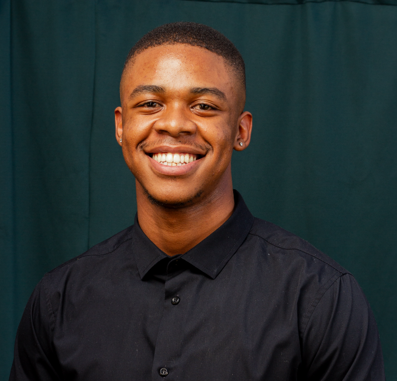
University of the Witwatersrand
BSc (Applied Mathematics, Corporate Finance and Investments)
QEP Delegate
Tell us about a time you stepped into something unfamiliar. What did you learn about yourself?
Becoming head boy in high school was something that really took me outside my comfort zone. In high school, I was never the most extroverted, so it felt like a very tall task for me. However, I learned to make the role work for me and ensured that I played to my strengths. I learned that I'm highly adaptable, flexible, and very easy to work with. People would come to me for advice and felt free to talk to me about any issues they had.
If you had to design a team survival kit for navigating the unknown, what 3 things (skills, attitudes, or tools) would you include?
1 Patience: There is a lot of uncertainty in an unknown situation. Patience makes uncertainty more manageable when team members move with intention rather than impulsiveness.
2 Grit – In uncertain situations, perseverance allows you to see things through, no matter how difficult they become.
3 Open communication – Having everyone feel comfortable and safe enough to share ideas and admit mistakes makes an unfamiliar situation more bearable.
How do you stay grounded when you're outside your comfort zone?
When you feel like giving up, remember why you started.
I find it extremely important to always remember the reason why I start something. It keeps me going even when things start to feel uncomfortable or difficult. It helps me stay grounded and focused.
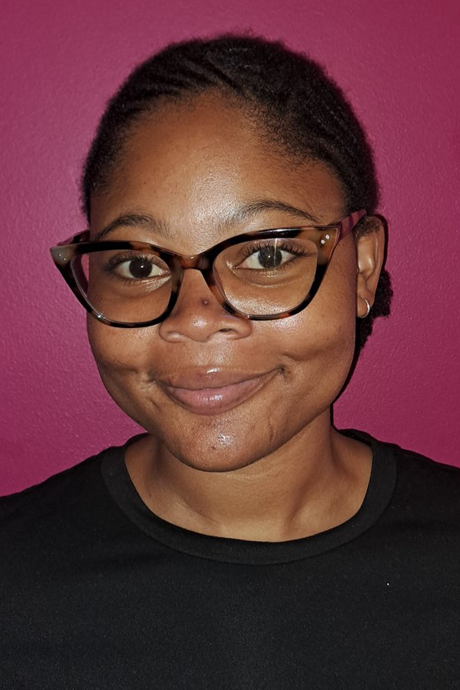
University of the Western Cape
BSc Mathematics and Statistics
QEP Delegate
Tell us about a time you stepped into something unfamiliar. What did you learn about yourself?
One of the core moments I stepped into was when my team elected me to lead a group project. I had never seen myself as a leader before, and being given such a task made me uncomfortable, but I was happy to participate because I knew it was part of the growth process. Since we needed someone who was going to be there to coordinate tasks and set timelines while keeping my team on track, I decided it was time to be a better version of myself and take on the challenge. It felt uncomfortable at first, as I had to speak out more and guide people – something I was used to – but once I became comfortable with my teammates, it was not so difficult.
What I learned through this experience was that I am someone who wants to get tasks done in a the right manner and on time, I also noticed that I can listen and communicate clearly. I learned that being a leader is more about helping and guiding people in the right direction, and it also meant that I do not need to know everything because, at times, I might also get confused – but that is the purpose of having a team: to help each other. Although the role was unfamiliar to me, I must say I grew beyond the role. This experience made me realise that fear is the killer of all dreams, and to always do things even if you are scared or you feel like you don't belong. I can say I am much more confident than I was before I was challenged by the project.
If you had to design a team survival kit for navigating the unknown, what 3 things (skills, attitudes, or tools) would you include?
1 Someone who is positive and who is willing to learn.
2 Good communication and respect for other people.
3 A fearless person who is not afraid to fail.
How do you stay grounded when you're outside your comfort zone?
When I am outside my comfort zone, I tend to listen to other people's perspective more. Listening to others speak helps me to also break down the concepts better and to also have my own ideas in mind. It reminds me that I should not always know everything but to always have an open mind and to learn more.
University of Cape Town
BSc Actuarial Science
QEP Delegate
Tell us about a time you stepped into something unfamiliar. What did you learn about yourself?
Last year, I was appointed as the Departmental Head for Mathematics at the Mochwanaesi Foundation, where I led a team of tutors, ensure curriculum alignment, and monitor learners’ progress. This role was unfamiliar to me as I had previously worked as a tutor and not a leader. Through this experience, I learned I am a collaborative leader and can adapt quickly to new situations. However, I also realised that I struggled with addressing underperformance and low work morale, as I was hesitant to provide critical feedback. I’ve ever since been working on striking a balance between empathy and accountability, and I am pleased to have been offered the position again this year, which reflects the progress I have made.
If you had to design a team survival kit for navigating the unknown, what 3 things (skills, attitudes, or tools) would you include?
1 Adaptability: to adjust to new challenges and situations
2 Growth mindset: to help the team see challenges as opportunities for growth and learning.
3 Effective communication: to help the team navigate the unknown and find viable solutions.
How do you stay grounded when you're outside your comfort zone?
I normally take a deep breath and acknowledge my feelings to help me calm down and think more clearly.
I focus on what I can control and affirm myself by thinking about my strengths and successes.
This helps me to have the motivation to deal with the situation I’m confronted with.

University of Cape Town
BSc Mechanical and Mechatronics Engineering
QEP Delegate
Tell us about a time you stepped into something unfamiliar. What did you learn about yourself?
My first hiking experience became an unexpected test of character. What should have been a straightforward trek turned into a series of wrong turns, with the route growing progressively more treacherous. I found myself navigating steep inclines, buffeted by strong winds, and facing the very real danger of falling off the mountain edge. Despite these mounting challenges and the fear they brought, I kept pushing forward. That day revealed something important about myself: I'm someone who values preparation and being well-informed, yet when circumstances strip those comforts away, I'm also someone who perseveres. I learned that while I prefer to minimise risk through knowledge, I can dig deep and continue even when the situation becomes genuinely dangerous and uncertain.
If you had to design a team survival kit for navigating the unknown, what 3 things (skills, attitudes, or tools) would you include?
1 Resilience and grit – The determination to keep moving forward when conditions deteriorate. When plans fall apart and challenges multiply, the ability to persevere becomes essential. My mountain experience taught me that pushing through discomfort and danger, step by step, is sometimes the only way out.
2 Adaptability – The skill to adjust your approach when the original plan fails. Getting lost repeatedly meant I had to constantly reassess, change direction, and problem-solve on the fly. Teams need members who can think flexibly and pivot when circumstances demand it.
3 Risk assessment with action bias – The balanced ability to recognise danger honestly while still choosing to act. I could see the steep drops and feel the threatening winds, but I didn't let fear paralyse me. Teams need people who can acknowledge real risks without becoming immobilised by them.
How do you stay grounded when you're outside your comfort zone?
When I'm in unfamiliar territory, I focus on 1 step at a time. On that mountain, thinking about the remaining climb would have been overwhelming, but concentrating on the next secure foothold made it manageable.
I try to acknowledge my fear rather than deny it – recognising that the situation was genuinely dangerous helped me stay alert and careful rather than reckless.
I remind myself that preparation isn't everything – sometimes you just have to trust that you have enough within you to figure it out as you go.
University of Johannesburg
BCom Economics and Econometrics
QEP Delegate
Tell us about a time you stepped into something unfamiliar. What did you learn about yourself?
Since 2022, I've loved tutoring Mathematics in 1-on-1 and online settings. This year, however, I decided to push myself by taking on a role as a tutor for a large second-year Econometrics class at the University of Johannesburg. My new classroom? A lecture hall with nearly 200 students. While I've never been very shy, the scale of this was a real game changer, and I definitely faced some stage fright at first. The weekly challenge of standing in front of that many students pushed me to grow my confidence and public speaking skills much faster than I ever expected. The best part? I ended up genuinely enjoying it. This experience taught me that I'm capable of adapting and thriving in situations that are completely out of my comfort zone. I discovered a real passion for connecting with a large audience, and I'm even exploring public speaking as a side hustle because of it. It was a powerful reminder that saying yes to unfamiliar opportunities can open up unexpected and exciting paths.
If you had to design a team survival kit for navigating the unknown, what 3 things (skills, attitudes, or tools) would you include?
1 Radical transparency and open communication. For me, this means actively listening to your teammates' perspectives and being clear and honest with my own. My goal is to help create a space on a team where we can all say what we don't know yet or need help without a second thought. I believe that’s how we unlock our best ideas.
2 My approach to true collaboration. I don’t just see this as dividing tasks; I see it as a team's secret sauce. It means coming in with a mindset ready to build on ideas and merging different strengths. I’m all in on co-creating and making a project a team win, and not just a collection of individual contributions. I truly believe that blended brainpower is any team's biggest competitive advantage.
3 The non-negotiable for me is deep-rooted mutual respect. Respect is the foundation for everything. I will always assume positive intent and value unique perspective. I’m committed to contributing to a team vibe where we can all bring our whole selves to work, and we know we have each other’s backs.
How do you stay grounded when you're outside your comfort zone?
My natural extroversion is a great asset in unfamiliar situations. I can quickly build rapport and find a familiar face in a crowd. To stay grounded, I combine this with 2 deliberate practices:
1 Focus intensely on what I can control through thorough preparation. Building a foundation of certainty in the controllable aspects gives me the confidence to handle the unknowns.
2 Lean into my strength of connection by actively engaging with the people around me. Shifting my focus from internal anxiety to external collaboration not only helps me relax but also transforms the challenge into a shared experience, which keeps me present and adaptable.

University of Cape Town
BSc Mathematics and Applied Statistics
QEP Delegate
Tell us about a time you stepped into something unfamiliar. What did you learn about yourself?
I come from a family of educators, and the classroom was all I ever knew. Everyone expected me to follow that career path. Instead, I decided to explore something different and took a chance on my first corporate job at the age of 19. Stepping into that unfamiliar space showed me that I can adapt quickly and find my footing even in environments completely different from what I'm familiar with.
If you had to design a team survival kit for navigating the unknown, what 3 things (skills, attitudes, or tools) would you include?
1 Balance: A balanced mix of roles and personalities – a coordinator to guide and align us; a scribe to capture ideas; a critic to challenge assumptions; and a resource finder to gather useful information.
2 Communication: This will help keep the team connected.
3 Adaptability: An attitude of being flexible, having an open mindset, and being willing to adjust when situations change.
How do you stay grounded when you're outside your comfort zone?
I focus on being myself and trusting my natural instincts. Paying attention to what feels authentic to me has always been of great help.

University of Cape Town
BSc Actuarial Science
QEP Delegate
Tell us about a time you stepped into something unfamiliar. What did you learn about yourself?
When I started consulting for Phaphama SEDI, it felt like stepping into a completely different world. I was used to structured, quantitative environments, and suddenly I was working with people whose primary focus was community impact and social change. I remember feeling out of my depth at first. I was unsure of the right answers and very aware that the decisions we were helping with affected real people, not just numbers on a screen.
What I learned about myself was that I’m deeply motivated by purpose. Being surrounded by people who cared so much about their community made me realise how strongly I value using my skills to help others, not just to chase career milestones. I also discovered that I am more comfortable with uncertainty than I thought. Instead of shutting down when things were not clear, I found myself leaning into conversations, listening more, and trusting my ability to grow into the space. That experience sparked a genuine passion for non-profit work and showed me that giving back isn’t something I want to fit in on the side – it's something I want woven into my career.
If you had to design a team survival kit for navigating the unknown, what 3 things (skills, attitudes, or tools) would you include?
1 Integrity: In uncertain situations, you often don't have perfect information, but you still have to make decisions that affect people, money and trust. Integrity is the anchor. It means being honest about what you know and don't know, not bending the truth to look good, and doing the right thing even when no one is watching. In a team, integrity creates psychological safety. People know they're getting the real picture, not a filtered version, so they can make better decisions together.
2 Respect: When you're navigating the unknown, you need every perspective you can get. Respect means genuinely valuing other people's ideas, backgrounds, and ways of thinking, even when they're different from your own. It shows up in how you listen, how you give and receive feedback, and how you handle disagreements. A respectful team can challenge each other without it becoming personal, which leads to better problem-solving under pressure.
3 Accountability: In ambiguous situations, roles and outcomes can blur. Accountability keeps things clear. It means owning your commitments, admitting when you've made a mistake, and following through on what the team is relying on you to do. When everyone is accountable, the team moves faster: people trust that others will deliver, issues are surfaced early, and there's less time spent managing excuses and more time spent finding solutions.
How do you stay grounded when you're outside your comfort zone?
I've spent so much time outside my comfort zone that it almost feels like home now. Over time, I've learned that growth usually sits on the other side of discomfort, so I've trained myself to see nervous feelings as a signal that I'm about to learn something – not as a warning to step back. What keeps me grounded is repetition and mindset. The more you deliberately put yourself in stretching situations, the less overwhelming they become. I remind myself that I've handled uncertainty before. I don't need to be perfect on day 1, and I can figure things out as I go. That perspective helps me stay calm, present and open-minded, even when things feel unfamiliar or high stakes.
University of the Witwatersrand
BSc (Mathematics, Corporate Finance and Insurance, Insurance and Risk Management)
QEP Delegate
Tell us about a time you stepped into something unfamiliar. What did you learn about yourself?
Joining a choir at varsity was the most out-of-character thing I’ve done so far. I couldn’t hold a note, and I wasn’t even comfortable hearing my own voice. I’ve learned that when I stop pressuring myself to get everything right the first time, I improve so much faster and actually enjoy the process.
If you had to design a team survival kit for navigating the unknown, what 3 things (skills, attitudes, or tools) would you include?
1 Open communication
2 Inquisitiveness
3 Ability to impose structure
How do you stay grounded when you're outside your comfort zone?
I have a conversation with a trusted friend, an approachable expert, or familiar face. Talking about things to someone who cares helps me to recompose myself and get a different perspective.
University of Johannesburg
BCom Economics and Econometricsq
QEP Delegate
Tell us about a time you stepped into something unfamiliar. What did you learn about yourself?
One meaningful moment when I stepped into something unfamiliar was when I first joined competitive netball.
I had the passion, but I had never played at that level before. I was surrounded by players who were much more experienced. I quickly had to adapt to my new training routines, different positions, and a faster pace. Through that experience, I discovered that I adjust well under pressure – and I am more resilient and determined than I thought.
If you had to design a team survival kit for navigating the unknown, what 3 things (skills, attitudes, or tools) would you include?
1 Analytical thinking to help a team make clear decisions even when the path ahead is not obvious.
2 Adaptability and open mindedness to help the team embrace change rather than fear during unexpected challenges.
3 Communication and collaboration to ensure everyone understands the goal, shares insights openly, and supports one another.
How do you stay grounded when you're outside your comfort zone?
I stay grounded by reminding myself why I’m doing what I’m doing. When I’m outside my comfort zone, I stay focused on my goals and break challenges into manageable steps. I also rely on discipline – something I have built through years of balancing academics, sports and my social life.
I take a moment to breathe, stay calm and remind myself that growth comes from discomfort.

University of Cape Town
Bachelor of Science (Applied Statistics)
QEP Delegate
Tell us about a time you stepped into something unfamiliar. What did you learn about yourself?
I had to work on a project that required tools I was not familiar with. I had to do a lot of research, a lot of trial and error, and maintain constant communication with my teammate and the lecturer. I learned that I am adaptable and curious.
If you had to design a team survival kit for navigating the unknown, what 3 things (skills, attitudes, or tools) would you include?
1 Resilience
2 Curiosity
3 Good communication
How do you stay grounded when you're outside your comfort zone?
I stay grounded by reminding myself why I’m doing what I’m doing. When I’m outside my comfort zone, I stay focused on my goals and break challenges into manageable steps. I also rely on discipline – something I have built through years of balancing academics, sports and my social life.
I take a moment to breathe, stay calm and remind myself that growth comes from discomfort.

University of the Witwatersrand
BSc Applied Mathematics and Computer Science
QEP Delegate
Tell us about a time you stepped into something unfamiliar. What did you learn about yourself?
I had just joined the Wits Consulting Club, not really knowing what it was all about. I would participate in consulting workshops and listen to industry experts about what it means to be a consultant. That's when I found out about my passion for solving problems, of all shapes and sizes. Coming from a software engineering background, I found it to be a breath of fresh air to see how many of the problems we face that don't need technological solutions. Discussing a problem and the factors influencing the problem is just as important as discussing the solution. I am a problem-solver!
If you had to design a team survival kit for navigating the unknown, what 3 things (skills, attitudes, or tools) would you include?
1 Courage
2 Perseverance
3 Innovation
How do you stay grounded when you're outside your comfort zone?
I treat every moment as a learning experience. I believe humans have the most growth outside their comfort zone; even in unfamiliar territory, I can gain something that I never would have had I not been in that position. Always staying in your comfort zone can create complacency and lack of drive. “Nothing ventured, nothing gained” is my motto!
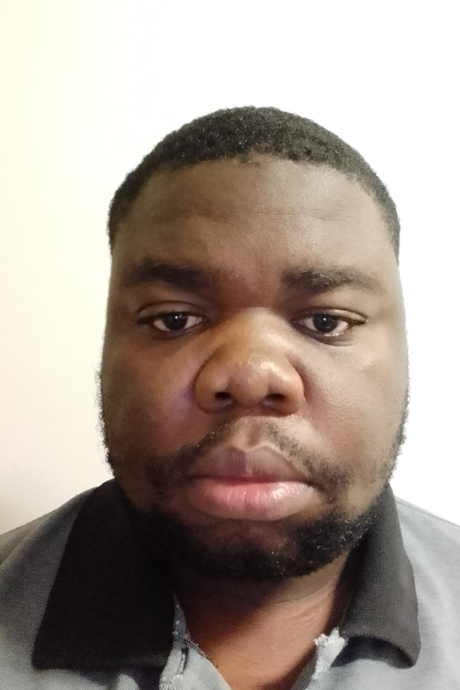
University of Pretoria
BSc Mathematics
QEP Delegate
Tell us about a time when you stepped into something unfamiliar. What did you learn about yourself?
The day I started being part of a team that was building houses for the homeless as part of a community project back at home. This was something new and I found it boring at first, but then the payoff was seeing someone who was once homeless become happy that they have a place to sleep in. I learnt that I love helping people in need with my skills. Even though it's not for profit, it strengthens my morals and commitment to helping someone when I have more than enough.
If you had to design a team survival kit for navigating the unknown, what 3 things (skills, attitudes, or tools) would you include?
1 Make sure you do your homework on the situation you are approaching and, if someone has already mastered it, know how it was done. Knowing the prerequisites helps one to have the right framework in mind to tackle unknowns.
2 Make sure you have reliable teammates who also have fulfilled point number 1 so that you work on the same framework – this increases effectiveness as there is more brainpower to tackle the unknown.
3 Make sure you automate a lot of things that are mechanical. In many engineering problems, you can just write a computer program to automate whatever mechanical task there is. This increases brainpower available for more important, non-recurrent problems.
How do you stay grounded when you're outside your comfort zone?
I usually listen to music through my earbuds as it calms me down and gives me clarity and confidence. In an academic setting, I study or gather enough information to have a correct state of mind to have an opinion or answer to the situation.
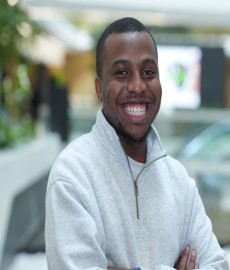
University of Pretoria
BCom Statistics and Data Science
QEP Delegate
Tell us about a time when you stepped into something unfamiliar. What did you learn about yourself?
When I switched from BCom Economics to BCom Statistics and Data Science, I stepped into a space that was completely new and more technical. I learnt that I adapt quickly, I enjoy challenging analytical work, and I'm capable of succeeding even when the environment is unfamiliar.
If you had to design a team survival kit for navigating the unknown, what 3 things (skills, attitudes, or tools) would you include?
1 Curiosity – to keep learning and asking the right questions.
2 Clear communication – so the team stays aligned in uncertainty.
3 Resilience – to stay calm and focused.
How do you stay grounded when you're outside your comfort zone?
I stay grounded by focusing on my goals, breaking tasks into manageable steps, and reminding myself that growth comes from discomfort.
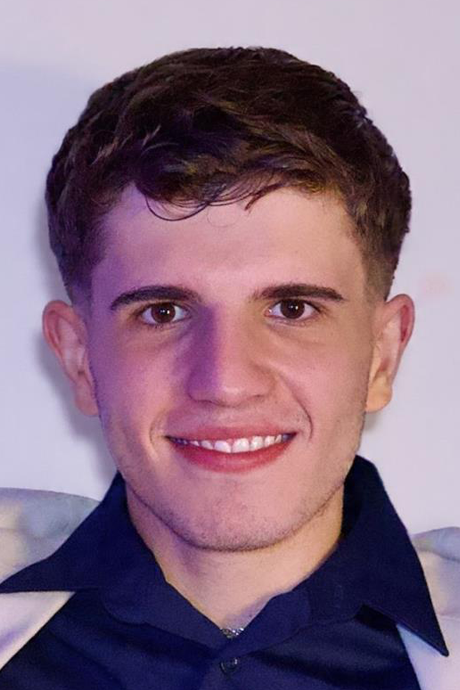
University of the Witwatersrand
Bachelor of Economic Science
QEP Delegate
Tell us about a time when you stepped into something unfamiliar. What did you learn about yourself?
I was casually researching opportunities for summer courses and found an application page to attend a summer course at Lady Margaret Hall, Oxford University. I never in my wildest dreams thought I would ever get in but I applied as part of the learning process. When I found out that I was actually accepted, I was filled with excitement for the experience that was to come but equally filled with fear and anxiety of how and if I would 'cope' as well as if I would be able to fit in with what I presumed were people far more intellectual than me. But having gone through the experience, I learnt to stop doubting myself and my worth. Not only did I fit in, but I thrived and loved every single minute of the experiences and the challenges I endured. I made friends I would have otherwise never met and finished the course with an upper score of A. I learnt I am worth far more than I give myself credit for and I am good at what I know and to never doubt myself going forward.
If you had to design a team survival kit for navigating the unknown, what 3 things (skills, attitudes, or tools) would you include?
1 Skills: fire-making and hunting.
2 Attitudes: determination, endurance, and courage.
3 Tools: lighter, map, and panga.
How do you stay grounded when you're outside your comfort zone?
When feeling like I'm outside my comfort zone, I try to appreciate the experience and how it is challenging me to become a more robust individual who can handle different kinds of situations that I would have otherwise not experienced. I stay grounded by remembering how blessed I am to be having the experiences I have and how they are shaping me into the well-rounded person I hope to become.