 Explore


University of Pretoria
BCom Financial Sciences
NCIB Delegate
Tell us about a time you stepped into something unfamiliar. What did you learn about yourself?
I recently attended a student conference for the first time. Usually, I would hesitate to put myself in environments that require social interaction. The reason I chose to go was to step out of my comfort zone and put myself out there. What I learnt about myself is that the only thing stopping me from engaging in social environments was thinking about how people would see me. In that moment, I realised that limiting myself to opportunities because of this fear only delays my success.
If you had to design a team survival kit for navigating the unknown, what 3 things (skills, attitudes, or tools) would you include?
1 Maintain a positive outlook to boost team morale. This can help the team approach challenges with confidence.
2 Set a common goal so that every team member moves in the same direction.
3 Establish trust within the team to create a safe and supportive environment.
How do you stay grounded when you're outside your comfort zone?
I have a positive mindset about stepping outside my comfort zone. I take small steps, stay calm, and believe in myself.


University of Pretoria
Bachelor of Information Technology: Information Systems (Data Science Management)
NCIB Delegate
Tell us about a time you stepped into something unfamiliar. What did you learn about yourself?
When I attended a programme at King Abdullah University of Science and Technology during the June holidays of my final year, travelling overseas alone and being independent was unfamiliar. I met people from all over the world and made friends for life by the end of the programme. I'm not as introverted as I thought and I'm also capable of learning in foreign environments. The trip gave me a new outlook and motivation for studying and my career. I also realised that the bonds you form with people matter most and can foster more learning than a classroom setting.
If you had to design a team survival kit for navigating the unknown, what 3 things (skills, attitudes, or tools) would you include?
1 Adaptivity is the most important skill. All team members should be quick-thinking and able to cope with and excel in changing environments.
2 Respectful communication ensures that everyone is on the same page. They should have the necessary context and maintain transparency.
3 Flexibility and thorough documentation enable members to take over or learn from each other easily. Good documentation and a willingness to learn and transition into new roles mean every team member can understand others and step into their roles easily.
How do you stay grounded when you're outside your comfort zone?
Checking in with family and friends is important to me. However, taking time for myself to re-centre helps to keep me grounded. As a Muslim, prayer is the best form of grounding.

University of the Witwatersrand
BSc Corporate Finance, Investments and Mathematics
NCIB Delegate
Tell us about a time you stepped into something unfamiliar. What did you learn about yourself?
A moment that stands out for me is when I joined the tutoring team for the School of Economics and Finance earlier this year. It was my first time standing in front of a class to teach university-level content. I felt nervous and unsure, questioning whether I was good enough to guide other students.
But I pushed myself to show up anyway.
The first tutorial felt unfamiliar and uncomfortable, but as I prepared more, engaged with students, and allowed myself to grow through the process, I realised something important about myself:
I'm capable of rising to challenges even when I don’t feel fully ready.
If you had to design a team survival kit for navigating the unknown, what 3 things (skills, attitudes, or tools) would you include?
If I had to design a team survival kit for navigating the unknown, the 3 things I would include are:
1 Clear communication at all times.
2 A willingness to learn.
3 Resilience.
How do you stay grounded when you're outside your comfort zone?
I stay grounded by reminding myself why I’m doing what I'm doing in the first place. Whenever I step into a space that feels bigger than me, I slow down, breathe, and reflect on the reasons I'm there.

GIBS
Business Management
NCIB Delegate
Tell us about a time you stepped into something unfamiliar. What did you learn about yourself?
In October last year, when I enrolled for my postgraduate studies at GIBS, I felt as though I was in a very unfamiliar space. Being the youngest in my class and surrounded by seasoned professionals, accomplished executives, and business owners, I could easily have felt out of place. However, I leveraged my strengths to add value and stand out despite my insecurity.
I learnt that I am a great communicator and more capable and resilient than I thought. Even when I feel out of place, I can contribute meaningfully by trusting my strengths and staying engaged.
If you had to design a team survival kit for navigating the unknown, what 3 things (skills, attitudes, or tools) would you include?
1 Grounded vision – Faith serves as an anchor and keeps you focused on the goal.
2 Adaptive control – Focus only on what you can control.
3 Confidence – Believe in yourself and your decisions.
How do you stay grounded when you're outside your comfort zone?
I stay grounded outside my comfort zone by leaning on learning. I intentionally seek people who thrive in that environment, speak less, and listen more so I can understand the dynamics before acting. I rely heavily on research because being informed helps me feel centred and prepared. I make an effort to build connections early; once I establish relationships and make myself known in a new space, I navigate it with far more confidence and ease.

University of Johannesburg
BCom Economics and Econometrics
NCIB Delegate
Tell us about a time you stepped into something unfamiliar. What did you learn about yourself?
I joined football at the University of Johannesburg in an administrative capacity. I had never worked behind the scenes in football. I was given full control over the administrative matters to one of the leagues. Through this experience, my communication skills improved, both in addressing problems or anticipating them.
I learnt that I enjoy leading projects and working with people. I also discovered that I enjoy solving problems at that level.
If you had to design a team survival kit for navigating the unknown, what 3 things (skills, attitudes, or tools) would you include?
1 Skill: Communication – The team should communicate efficiently so that members are not left confused or misaligned.
2 Attitude: Optimism – The team should believe in its ability to survive and successfully navigate the situation.
3 Tool: A problem-solving framework – The team should work together to find solutions that enable them to navigate the unknown successfully.
How do you stay grounded when you're outside your comfort zone?
I am naturally calm and not easily unsettled, so staying grounded comes naturally to me. I focus on understanding the situation and measuring my reactions. I consult people with experience in similar uncertainty, because that's where I learn how to navigate the issues and find direction.

University of the Free State
Bachelor of Computer Information Systems
NCIB Delegate
Tell us about a time you stepped into something unfamiliar. What did you learn about yourself?
A time I stepped into something unfamiliar was when I helped family with their small business, even though I had never been involved in day-to-day operations. I quickly had to learn how to deal with customers and manage stock. The experience made me realise that I can adapt quickly in new situations and easily communicate with different people.
If you had to design a team survival kit for navigating the unknown, what 3 things (skills, attitudes, or tools) would you include?
If I had to design a team survival kit for navigating the unknown, I would include the following:
1 Adaptability as the core skill, because teams must adjust quickly and learn as situations change.
2 A positive problem-solving mindset, which helps me stay calm and focused on situations.
3 A clear communication tool to ensure the team can easily share updates and ask questions.
How do you stay grounded when you're outside your comfort zone?
I stay grounded by focusing on what I can control and reminding myself of post successes in unfamiliar situations. I make it a priority to ask questions, remain open to learning, and keep a calm solution-focused mindset. This approach helps me stay confident and steady, even when things are unfamiliar.

University of the Witwatersrand
BSc Construction Studies
NCIB Delegate
Tell us about a time you stepped into something unfamiliar. What did you learn about yourself?
A time I stepped into something unfamiliar was when I enrolled in the IBM Data Science Professional Certificate. Coming from a quantity surveying background, coding was completely new to me. Although it felt challenging at first, I learnt that I adapt quickly when I stay curious and break problems into smaller steps. This experience showed me that I can build new technical skills from scratch and thrive outside my comfort zone.
If you had to design a team survival kit for navigating the unknown, what 3 things (skills, attitudes, or tools) would you include?
My team survival kit for navigating the unknown would include:
1 A learning mindset to remain curious and adaptable.
2 Clear communication to keep everyone aligned.
3 Data-driven problem-solving to make informed decisions in unfamiliar situations.
How do you stay grounded when you're outside your comfort zone?
I stay grounded by focusing on what I can control and by approaching the situation with curiosity instead of fear. I anchor myself by breaking challenges into smaller steps and by reminding myself that discomfort is a sign of growth. This helps me stay centred, steady, and open-minded – even when everything feels unfamiliar.

Rhodes University
BSS Honours in Economics
NCIB Delegate
Tell us about a time you stepped into something unfamiliar. What did you learn about yourself?
In my first year at Rhodes University, everything felt unfamiliar, with a new environment, new expectations, and new people. I had to step out of my comfort zone academically and socially. I learned that I adapted much faster than I had thought, and that I was not afraid to ask for help when I needed it. That experience showed me that I’m resilient, open to growth, and capable of handling new challenges with confidence.
If you had to design a team survival kit for navigating the unknown, what 3 things (skills, attitudes, or tools) would you include?
1 Optimism – to keep the team motivated when things get tough.
2 Strategic thinking – to help the team stay calm, plan effectively, and make smart decisions.
3 A lighter – to provide warmth and light, and start a fire to prepare food.
How do you stay grounded when you're outside your comfort zone?
I focus on the things that I can control, such as my schedule, effort, and work ethic. I try to break down the work in manageable sections and tackle them bit by bit. I sometimes reach out to people who have gone through something similar and ask for guidance.

Sefako Makgatho Health Sciences University
BSc Honours in Statistical Science
NCIB Delegate
Tell us about a time you stepped into something unfamiliar. What did you learn about yourself?
When I started my honours research project, I had to work with software, methods, and data that were completely new to me. At first, I felt overwhelmed, but I pushed myself to ask more questions, read more, and break the work into smaller steps. I learned that even when I felt unsure, I could figure things out if I stayed patient and willing to learn. I also realised I was more adaptable than I had thought.
If you had to design a team survival kit for navigating the unknown, what 3 things (skills, attitudes, or tools) would you include?
1 Communication – to ensure everyone understands what is happening, avoid confusion, and share updates and relevant information.
2 Flexibility – to adjust plans when things do not go as expected.
3 Optimism – to make challenges feel smaller and help the team believe they can handle them.
How do you stay grounded when you're outside your comfort zone?
I slow down and focus on what I can control. I often remind myself why I'm doing the task. Then I break the task into manageable steps so that it feels less overwhelming. I seek advice or do more research to understand the situation better. Taking things step by step helps me stay calm and centred.
University of the Witwatersrand
BSc in Property Studies
NCIB Delegate
Tell us about a time you stepped into something unfamiliar. What did you learn about yourself?
My internship with Investec's Property Risk Team is an example of this. Although I study property, stepping into the real world of work, where people spoke finance jargon fluently, was unfamiliar – especially since I needed to keep up and learn.
It became even more unfamiliar when I delivered my deal presentation to the national team. I had never addressed a group of professionals about their craft before, so it was a challenge that forced me out of my comfort zone.
I learned that I adapt quickly when I’m curious. Instead of letting the uncertainty overwhelm me, I asked questions, took notes, and made sure I understood the reasoning behind every deal. That experience taught me that stepping into the unknown is where I grow the fastest – as long as I remain teachable and willing to put in the work.
If you had to design a team survival kit for navigating the unknown, what 3 things (skills, attitudes, or tools) would you include?
1 Curiosity: to navigate unfamiliar territory by asking those who have walked a similar path before.
2 Structure: to avoid being overwhelmed by uncertainty, I should use a checklist, a plan, or a quick framework.
3 Collaboration: to work together with others, combine strengths, and get alternative opinions for navigating the unknown.
How do you stay grounded when you're outside your comfort zone?
I ground myself by staying curious, prepared, and connected to people who can guide me. Discomfort becomes easier to manage when I see it as growth rather than danger. I stay humble and willing to lean on others when I need to and then supplement their support with my own strengths where applicable.

University of Cape Town
BCom Economics and Finance
NCIB Delegate
Tell us about a time you stepped into something unfamiliar. What did you learn about yourself?
This year, I stepped into the unfamiliar role of being a first-year mentor. I wasn’t sure how to guide someone academically and personally, especially early on when my mentee didn’t know what support they needed. Navigating that uncertainty pushed me to communicate more intentionally and to lead without having all the answers upfront.
I learned that I adapt quickly. I can also create structure in unclear situations, and I am an approachable point of support even in unfamiliar situations.
If you had to design a team survival kit for navigating the unknown, what 3 things (skills, attitudes, or tools) would you include?
1 Adaptability.
2 Structured communication.
3 Analytical thinking.
How do you stay grounded when you're outside your comfort zone?
I stay grounded by creating structure, preparing well, and asking for clarity when things feel unfamiliar.

Richfield Graduate Institute of Technology
BSc Information Technology
NCIB Delegate
Tell us about a time you stepped into something unfamiliar. What did you learn about yourself?
When I started using MySQL in one of my projects, I had no prior experience with MySQL or database analytics. I approached it step by step: studying the basics, breaking down the project into smaller tasks, and testing each part as I progressed. I realised that I could learn fast when the outcome mattered, and I performed well in uncertain environments if I structured the problem and stayed disciplined.
If you had to design a team survival kit for navigating the unknown, what 3 things (skills, attitudes, or tools) would you include?
1 Communication to ensure everyone understands the goals, shares relevant information, and helps one another overcome obstacles.
2 Structure to provide a clear framework or steps for solving problems, so the team can identify the next steps when they face challenges and know how to solve them.
3 Open-mindedness to encourage learning, testing new ideas, and listening to new ideas without dismissing them too quickly.
How do you stay grounded when you're outside your comfort zone?
Stepping out of my comfort zone can be a bit challenging, and I'm faced with opportunities to try new ideas and learn about the environment. What keeps me grounded is going back to the basics: focus on what I can control, break the situation into smaller steps, and ask clear questions early on so I can understand the environment. My values guide how I interact with people, while my approach stays practical: clarify the problem, act with logical reasoning, and adjust as I learn more.
University of South Africa
BCom Financial Management
NCIB Delegate
Tell us about a time you stepped into something unfamiliar. What did you learn about yourself?
My journey into forex began with price action, obsessively watching candlestick patterns and believing I could predict the next move. It was a frustrating game of guesswork. The real shift came when I delved deeper into order flow and volume. I stopped focusing only on where price was going and I started asking why. Concepts like liquidity pools and market structure explained the mechanics behind the moves. I saw how large orders at key levels truly drive volatility.
I learned that I needed to move beyond surface-level analysis and cultivate immense patience. The market doesn't reward reaction – it rewards anticipation based on a deep understanding of the auction process. I discovered my capacity for objective analysis.
If you had to design a team survival kit for navigating the unknown, what 3 things (skills, attitudes, or tools) would you include?
1 A learning mindset to encourage curiosity over having all the answers.
2 Open communication: to build trust through honest dialogue and tackle tough challenges effectively.
3 Adaptive execution: to break down ambiguous goals into small, testable initiatives. This will allow quick adaptability, and less reliance on perfect information.
How do you stay grounded when you're outside your comfort zone?
I declare my intentions to someone I respect. Voicing my commitment makes it real and strengthens my resolve to follow through.
I set personal checkpoints. Pausing to ask what have I learned or what I would do differently keeps me honest about my progress and mistakes.
I seek real-time feedback. Asking others for their perspective keeps me from drifting into assumptions and helps me correct course with humility.

University of Johannesburg
BEng Tech Chemical Engineering
NCIB Delegate
Tell us about a time you stepped into something unfamiliar. What did you learn about yourself?
I stepped into something unfamiliar during the Mintek Grand Hackathon 2025. I had to lead a team of chemical engineers to design a water-treatment optimisation solution. Although we were all from the same field, the project required us to integrate AI models (ANN and ANFIS) into a hybrid zeolite-carbon adsorption system none of us had ever worked with before. At first, I struggled to delegate tasks because I felt responsible for understanding every component myself. Ultimately, working together in an unfamiliar technical space taught me that I naturally create structure when tackling complex problems as a team, adapt quickly, and communicate well under pressure.
If you had to design a team survival kit for navigating the unknown, what 3 things (skills, attitudes, or tools) would you include?
1 Effective communication to keep everyone aligned and prevent misunderstandings.
2 Adaptability and a learning mindset to embracing new challenges with curiosity, enabling the team to grow and solve problems creatively.
3 Collaborative tools to share checklists, documents, or boards that organise tasks and streamline teamwork.
How do you stay grounded when you're outside your comfort zone?
When I am outside my comfort zone, I stay grounded by focusing on preparation, reflection, and collaboration. I break challenges or tasks into smaller steps, making them manageable and easier to understand. I remind myself of past experiences to build confidence that I can adapt and learn. I also lean on my team by asking questions, seeking feedback, and sharing progress so that I’m not navigating uncertainty alone. During my Mintek project, this approach helped me contribute effectively even when the tasks were unfamiliar, and I discovered I can adapt faster than I expected.
University of Pretoria
BIS Information Science
NCIB Delegate
Tell us about a time you stepped into something unfamiliar. What did you learn about yourself?
When I was doing my first vacation work at Santam, we used to do meet-and-greets with a lot of important people. I realised I dido not have a good level of articulation to keep up. I have been since reading a lot to improve my vocabulary, trying things like pretending I was explaining shows I had just watched to someone who has never watched the show. Slowly but surely, I will get there.
If you had to design a team survival kit for navigating the unknown, what 3 things (skills, attitudes, or tools) would you include?
1 The willingness to learn
2 Resilience
3 Internet
How do you stay grounded when you're outside your comfort zone?
I use my personal principles and favourite motivational quotes to keep myself sane. Here are some of my favourite quotes:
'Do the best you can until you know better. Then when you know better, do better.’ – Maya Angelou
‘Attempt the impossible in order to improve your craft.' – Bette Davis
Some of my personal principles are the following:
1 Exercise kindness to those around you.
2 Help where you can.
3 Protect your integrity in every opportunity.
4 Live as a firm believer in Christ.
University of Johannesburg
BCom Economics and Econometrics
NCIB Delegate
Tell us about a time you stepped into something unfamiliar. What did you learn about yourself?
I just started a new job for the holidays. I had to go to my interviews right before I was writing my 2 final exams. I was contemplating on whether I should go or not. However, I realised that if opportunity has reached you, don't run from it. I got to see my resilience in high-pressure situations. I was still able to pull through, although I thought I wasn't capable. I am capable.
If you had to design a team survival kit for navigating the unknown, what 3 things (skills, attitudes, or tools) would you include?
1 Diligence
2 Good communication skills
3 Creative problem-solving skills
How do you stay grounded when you're outside your comfort zone?
I stay focused on my primary goal, I draw up a vision board to keep me in check, and I progressively keep track of my goals and constantly keep reminding myself that growth does not happen in comfort.
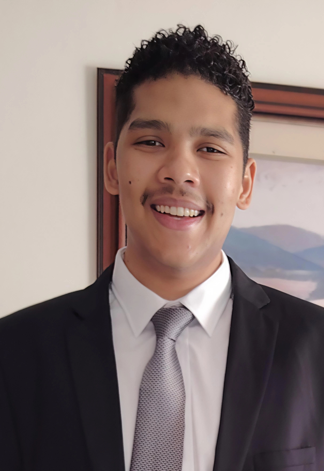
University of Pretoria
BCom Econometrics
NCIB Delegate
Tell us about a time when you stepped into something unfamiliar. What did you learn about yourself?
I once entered a setting where people discussed ideas that felt advanced and unfamiliar, but also extremely controversial. At first, I stayed quiet, thinking I had nothing to add. But when I finally engaged, asked for explanations, and shared my thoughts, I noticed that unfamiliar doesn’t mean incapable. I learnt that involvement, not silence, builds confidence. I discovered that I can contribute even when I’m still learning.
If you had to design a ‘team survival kit’ for navigating the unknown, what 3 things (skills, attitudes, or tools) would you include?
1 Skill or attitude – Adaptability or curiosity. For a group to survive, adaptability is needed so that the team and individuals can adapt to their situation. Similarly, curiosity is needed to adapt. A conjoined team needs to gather as much information as needed.
2 Tool – Notebook and a pen. The tools will be used concurrently with adaptability skills and curiosity, to keep track and record of current events.
3 Attitude – Resilience. At the end of the day, we all have a goal, and if each team member can hold their head above water, we as a team will succeed.
How do you stay grounded when you're outside your comfort zone?
Clarity and to some extent certainty. In a situation outside my comfort zone I break down things, concepts or goals by asking questions or analysing. I would try to understand the 'why’ and identify the 'how’ so that I can excel. More often than not, situations can get confusing or sometimes I get anxious, but then I become calm and collective.
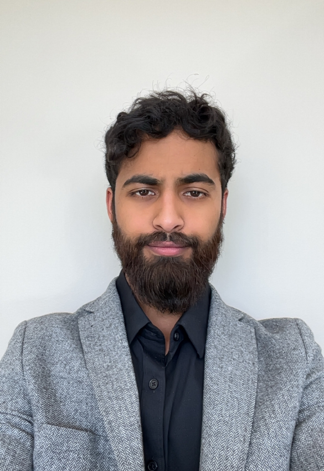
University of Witwatersrand
BEng Honours in Computer Engineering
NCIB Delegate
Tell us about a time when you stepped into something unfamiliar. What did you learn about yourself?
Entering university for the first time knowing absolutely nobody. I quickly learnt how to make acquaintances, fighting my fear of appearing awkward or embarrassing.
If you had to design a ‘team survival kit’ for navigating the unknown, what 3 things (skills, attitudes, or tools) would you include?
1 Humbleness: not overestimating your ability can lead you to being more cautious when approaching unknown challenges.
2 Discipline: it is far more crucial than motivation. It’s what gets you started and what gives you the drive to finish.
3 Fearlessness: the ability to turn down your fear when venturing into the unknown brings endless opportunities you would have never obtained had been too scared to enter in the first place.
How do you stay grounded when you're outside your comfort zone?
I tell myself that this situation brings an opportunity to learn something new about myself, or to acquire a new skill. That motivates me to push through.
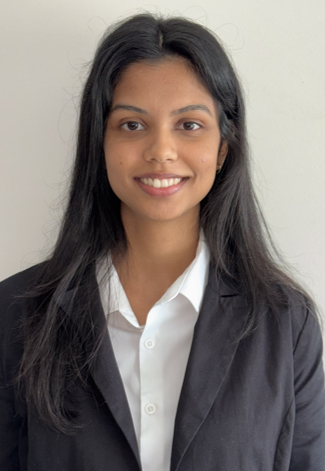
University of KwaZulu Natal
BSc in Computer Science
NCIB Delegate
Tell us about a time when you stepped into something unfamiliar. What did you learn about yourself?
Earlier this year, I had to work in a team to code a game. It was quite different from my regular way of coding as I had to take in the perspectives of others and apply that to my own work, as well as learn to build on others'' code. This taught me that communication is key when it comes to team projects; discussing what needs to be done as well as your reasoning for doing things in a particular way is essential for the success of a project.
If you had to design a ‘team survival kit’ for navigating the unknown, what 3 things (skills, attitudes, or tools) would you include?
Problem-solving would be the first skill needed to navigate the unknown. Secondly, adaptability would be a strong skill to help in determining the next course of action. And lastly, resilience would ensure that the person is able to keep going if things don't end up going the way they had planned.
How do you stay grounded when you're outside your comfort zone?
If I am in an unfamiliar situation, I would first assess my surroundings or the problem at hand before rushing into it. That would then help me to determine the steps needed to solve the problem, even if I don’t have everything thing planned out.

IMM Graduate School
Red and Yellow Business school
BCom Marketing and Management Sciences
Advanced diploma in Marketing and Advertising
NCIB Delegate
Tell us about a time when you stepped into something unfamiliar. What did you learn about yourself?
I recently travelled abroad with my brother and quickly realised how much I value being organised and having things in order. While my brother is very relaxed and didn't mind taking his time to get to the boarding gate, I preferred to locate our gate early, familiarise myself with the airport, and then take time to get a coffee or look around.
The experience was eye-opening. Despite doing everything 'right', we still ended up losing our bag in transit. It taught me that being organised is important and helpful, but there are limits to what we can control. Accepting that was a significant lesson for me.
If you had to design a ‘team survival kit’ for navigating the unknown, what 3 things (skills, attitudes, or tools) would you include?
1 Adaptation – This is highly important because there will always be situations that fall outside a person's usual comfort zone or expectations. In a team environment, adaptation is essential, as you may encounter colleagues with whom you don't naturally connect with but still need to collaborate effectively.
2 Problem-solving mindset – An approach that encourages critical thinking, collaboration, and proactive decision-making when faced with uncertainty.
3 Clear communication tools – Effective channels and mediums in place will allow people to effectively share information, to avoid miscommunication in an unknown situation. This would work really well in a fast-moving and unknown environment.
How do you stay grounded when you're outside your comfort zone?
Maintaining a regular exercise routine helps me think more clearly and feel refreshed. When I exercise, I feel more comfortable in myself and more confident when I’m outside my comfort zone. Beyond the physical benefits, having a consistent routine helps me stay organised and maintain a sense of structure in my life.