 Explore


University of Johannesburg
Bachelor of Accounting
CASE Delegate
Tell us about a time you stepped into something unfamiliar. What did you learn about yourself?
Last year, I stepped into an unfamiliar space when I took on the role of Communications Officer at Aster Media. I had no experience in managing communication at that scale, but I decided to approach it with openness and a willingness to learn. Stepping into that space taught me that I adapt more quickly than I expect and that I thrive when challenged.
If you had to design a team survival kit for navigating the unknown, what 3 things (skills, attitudes, or tools) would you include?
Agility, resilience, and a group chat with an open communication policy.
How do you stay grounded when you're outside your comfort zone?
I stay grounded by anchoring myself in routine, faith, and reflection. I pause, pray, and remind myself why I started, which helps me keep perspective. I also break challenges into smaller steps so I don’t feel overwhelmed. Finally, I remind myself that growth often happens in discomfort. Viewing the situation as an opportunity rather than a threat helps me remain calm, focused, and resilient.


Stellenbosch University
Bachelor of Accounting
CASE Delegate
Tell us about a time you stepped into something unfamiliar. What did you learn about yourself?
Whether it was a physical, mental, or spiritual challenge, I learned that every unknown equals
opportunity – and that an open mind combined with a willingness to adapt always leads to a positive outcome.
If you had to design a team survival kit for navigating the unknown, what 3 things (skills, attitudes, or tools) would you include?
1 Go the extra mile.
2 Rely on your team members.
3 Connect with the people around you while enjoying the process.
How do you stay grounded when you're outside your comfort zone?
Don't hesitate. Take a deep breath, count to 3, and go for it!

University of the Witwatersrand
Accounting Science (BCTA)
CASE Delegate
Tell us about a time you stepped into something unfamiliar. What did you learn about yourself?
A time I stepped into something unfamiliar was when I first started assisting students with the Wits Readmissions Committee (WRC) cases in 2022. I had never worked directly with academic misconduct matters before, and the environment was intimidating because each case carried real consequences for a student’s future. I had to learn the policies quickly, understand the emotional weight students carried, and navigate a space where every detail mattered.
At first, I worried that I wasn’t experienced enough. I was in first year, had no institutional knowledge, no understanding of policies about academic exclusion, and had never attended a re-admission committee to know what they look for. But stepping into that unfamiliar territory taught me something important about myself.
I learned that I adapt faster than I give myself credit for, and that I naturally step into leadership roles when the situation demands it. I also discovered that I absorb information quickly as I'm taught; my ability to learn from people enabled me to understand expectations. I grew more confident and realised I have a strong ability to listen, analyse complex situations, and guide people calmly through stressful processes because of my willingness to always be kind.
The experience also showed me that I thrive when I’m pushed outside my comfort zone – it forces me to grow, learn, and stretch my capacity. Most importantly, I learned that unfamiliar spaces don’t intimidate me; they activate my problem-solving skills and my instinct to support others.
If you had to design a team survival kit for navigating the unknown, what 3 things (skills, attitudes, or tools) would you include?
1 Adaptability – The ability to stay calm, think clearly, and adjust when things don’t go as planned. How you stay calm and be able to solve a problem will help you get out of any situation. Being flexible and resourceful helps you overcome challenges and make the best use of what you have.
2 Kindness – Make sure everyone feels heard and supported. Sometimes kindness may be seen as a weakness but using your empathy to empower others results in a world where others build you too.
3 Strong values – Staying grounded in integrity and purpose, especially when everything else feels uncertain. Knowing your ‘why’ helps maintain focus and direction in chaotic situations.
How do you stay grounded when you're outside your comfort zone?
I remind myself of my values and why I’m here. I check in with myself – I focus on reflecting, breathing, and breaking things into smaller steps. I try to remember that I can go easy on myself. I use the philosophy of interdependence and when I need it, I lean on people I trust for perspective. That combination keeps me centred, even when everything around me feels unfamiliar.
Knowing that in the mist of chaos, I can lean on myself because I am capable, but where I can't, I can reach out.
University of Pretoria
BCom Accounting Science
CASE Delegate
Tell us about a time you stepped into something unfamiliar. What did you learn about yourself?
A time I stepped into something unfamiliar was when I attended the PwC vacation work. This was unfamiliar as I had never been to vacation work before, and to an audit firm so I really didn't know what to expect. The most unfamiliar aspect of this was doing a presentation with my group in front of trainees and a partner.
Through this experience, I learnt to embrace the unknown and have a more positive outlook on unfamiliar settings. I had always feared unfamiliar situations as I thought something could go wrong, but after that programme I learnt that I should embrace the unknown as it's an opportunity to grow and learn things I would not have learnt otherwise. Additionally, I learnt that I am sometimes too hard on myself. I overthink and see everything I did wrong in a specific situation, instead of focusing on the positives. That experience showed me that I should always remember that I'm not doing as bad as I think I am, and that I should be kinder to myself and learning that lesson has made me become a continuous learner and it's made me look at the positive in every situation.
If you had to design a team survival kit for navigating the unknown, what 3 things (skills, attitudes, or tools) would you include?
In a team setting :
1 Good communication and a strong bond. A team that gets along well often do better in unknown situations. A strong bond helps the team feel like they are part of a family. Knowing they are not tackling the unknown alone helps them handle tough situations better.
2 Resilience, grit and a positive attitude. In unknown situations things may throw you off your game or make you uncomfortable. Having resilience and grit helps you overcome those situations.
3 Competent and inspiring leaders. Having someone to inspire the rest of the group makes navigating the unknown a lot better.
How do you stay grounded when you're outside your comfort zone?
I remind myself of everything that I have done well in my life. That calms me down and gives me some confidence that I can handle anything. I do my best with any task at hand. Knowing that I have given it my all makes me more grounded and less anxious.

University of Johannesburg
Bachelor of Accounting
CASE Delegate
Tell us about a time you stepped into something unfamiliar. What did you learn about yourself?
A time I stepped into something unfamiliar was during my first international solo trip to Lesotho. I wanted to engage with people from a different culture and experience how another country operates. I challenged myself to do something that seemed challenging and out of reach. Through that experience, I learners that I am determined and capable of pursuing any goal I set my sight on despite how challenging and daunting it may seem.
If you had to design a team survival kit for navigating the unknown, what 3 things (skills, attitudes, or tools) would you include?
Things that would act as a guideline in times of uncertainty are the following:
1 Adaptability – the skill to adjust when things change.
2 Resilience – an attitude that helps you stay positive.
3 Decision-making frameworks – guidelines to support your choices in times of uncertainty.
How do you stay grounded when you're outside your comfort zone?
I stay grounded by anchoring myself in my belief systems and the values that drive and motivate me.
I remind myself why the discomfort of being outside my comfort zone is important.
I remind myself that the discomfort is important for my growth as an individual and that it serves as a stepping stone to fulfilling my purpose and achieving my goals.

University of Johannesburg
Bridging Programme in the Theory of Accounting
CASE Delegate
Tell us about a time you stepped into something unfamiliar. What did you learn about yourself?
I can adapt quickly.
If you had to design a team survival kit for navigating the unknown, what 3 things (skills, attitudes, or tools) would you include?
1 Staying positive that everything works out for the better.
2 Consulting about the unknown.
3 Asking questions.
How do you stay grounded when you're outside your comfort zone?
I constantly remind myself of the end goal.

University of Cape Town
Business Science (Finance and Accounting)
CASE Delegate
Tell us about a time you stepped into something unfamiliar. What did you learn about yourself?
I went to boarding school in Grade 8, which was my first time away from home.
During that time, I learned that I was far more resilient and independent than I thought I was.
If you had to design a team survival kit for navigating the unknown, what 3 things (skills, attitudes, or tools) would you include?
1 Willingness to learn
2 Ability to adapt
3 Ability to remain composed
How do you stay grounded when you're outside your comfort zone?
I remind myself that growth only takes place when you are outside of your comfort zone.

University of Cape Town
Bachelor of Business Science (Finance and Accounting)
CASE Delegate
Tell us about a time you stepped into something unfamiliar. What did you learn about yourself?
When I was still in high school, I was asked to be interviewed on the radio for my startup. This was an exciting, but extremely nerve-racking opportunity for me as the biggest public speaking event I had done was my oral presentation in front of my English class. Nonetheless, after a bit of a shaky start and me struggling to find my words, the interview was successful and resulted in some much-needed recognition and brand awareness for us. I learned that I could perform under pressure, beyond what I had previously thought I could. It was also one of the first times in my life where I discovered that I can not only handle pressure, but thrive in it, which is something I enjoy to this day.
If you had to design a team survival kit for navigating the unknown, what 3 things (skills, attitudes, or tools) would you include?
1 Adaptability: Adaptability is a skill that we need at all times, especially in uncertain situations. We need to be prepared that even if we have a solid plan, we may need to pivot and change it entirely if the environment changes.
2 Resilience: The unknown will challenge us and having a resilient attitude is needed in to be adaptable. The situation will most likely change and challenge us, but we need resilience to overcome this.
3 Communication: One of the most important things we would need as a team is communication. Good communication is needed in general, but especially when navigating uncertain situations to ensure strong teamwork.
How do you stay grounded when you're outside your comfort zone?
I try to remain grounded by centring myself in moments when I feel overwhelmed or anxious. It depends on the situation, but I try to contextualise the situation and remember the people and experiences that have brought me to where I am today. I trust my processes and do my best to perform.
From past experiences, have I enjoyed being out of my comfort zone as I've learned the most about myself and my capabilities. It's still normal for me to feel nervous about stepping outside my comfort zone, but I've learned – and I'm still learning – to embrace it and trust my processes.

University of Cape Town
Finance and Accounting
CASE Delegate
Tell us about a time you stepped into something unfamiliar. What did you learn about yourself?
When I became a mentor in 2025, I stepped into a role that felt completely new and a little intimidating. I had never formally mentored anyone before. I didn't fully know the best way to mentor, so I prepared extra carefully for each conversation, wanting to make sure I wouldn't let my mentee down. Even though I felt unsure, I still showed up and shared what I knew from my own experiences, hoping it would genuinely help them.
In the beginning I relied a lot on observing, planning, and thinking things through. However, I eventually found my own leadership voice. Mentoring taught me that I don't need to have all the answers to make a difference. I just need to be present, honest, and willing to grow alongside the person I'm guiding.
If you had to design a team survival kit for navigating the unknown, what 3 things (skills, attitudes, or tools) would you include?
1 Structured ideation techniques – Methods like Crazy 8 (where participants have 8 minutes to generate 8 ideas for a particular problem). These techniques create a safe space for people to share ideas that might not make perfect sense at first but still deserve to be heard. They help build psychological safety, giving everyone permission to think freely without fear of judgment, while also strengthening active listening as team members engage with each other's creativity.
2 Resilience and the ability to learn and adapt from failure – Navigating the unknown requires a mindset that sees mistakes as data, not defeat.
3 The internet – A simple but powerful tool that gives teams instant access to knowledge, inspiration, and solutions, turning uncertainty into an opportunity to explore, research, and innovate together.
How do you stay grounded when you're outside your comfort zone?
When I am outside my comfort zone, I tend to break down the tasks that overwhelm into small and manageable tasks. I constantly remind myself that I am learning and do not need to be a perfectionist.

Stellenbosch University
Bachelor of Accounting
CASE Delegate
Tell us about a time you stepped into something unfamiliar. What did you learn about yourself?
During a group presentation in my first year, we realised right before going on stage that we had missed a key part of the brief. It was unfamiliar territory because I hadn't prepared for that section at all. Instead of panicking (well, I did just for a moment), I volunteered to cover the missing part and improvised on the spot (the scariest thing I've ever done). I focused on staying calm, linking the content back to the rest of our presentation, and keeping the delivery somewhat confident.
Even though our group didn't score well overall, the lecturers specifically highlighted how well I adapted under pressure and how natural my impromptu delivery was.
I always knew I could do impromptu speaking in something like speech and drama because that felt less serious, but I quickly learned that it also helps a lot in a professional sphere – which was very refreshing to realise.
If you had to design a team survival kit for navigating the unknown, what 3 things (skills, attitudes, or tools) would you include?
1 Patience and kindness, because when things get chaotic, how we treat others matters more than anything.
2 Understanding that we're all in the same team.
How do you stay grounded when you're outside your comfort zone?
Honestly, my faith keeps me grounded. It reminds me that I'm not doing anything alone and gives me a sense of calm.
I look at new situations as opportunities and approach them with the curiosity of a child. Instead of letting fear or shyness take over, I tell myself: ‘Welcome, it really isn't that deep. We're learning, and from that we're growing – take it easy, Lento.'
That mindset helps me stay present, open, and willing to grow, rather than feeling overwhelmed.
University of Johannesburg
Bachelor of Accounting
CASE Delegate
Tell us about a time you stepped into something unfamiliar. What did you learn about yourself?
This may not be the usual response to such a question, but here it is: The time I stepped into something unfamiliar was when I lost an amazing friendship in February of this year. Navigating that friendship breakup was unfamiliar because I didn't expect it, and I had never dealt with something of that sort before in my life. It was a different kind of pain – heartbreaking, almost.
It's now 9 months later, and I've learned that I am stronger than I thought I was. I have learned how to audit my choices more carefully. Most importantly, I have learned that I love deeply and I need to protect my heart more.
If you had to design a team survival kit for navigating the unknown, what 3 things (skills, attitudes, or tools) would you include?
I would include:
1 An optimistic mind.
2 People skills. Remember the motto: 'Closed mouths do not get fed'. Speak up, speak to others.
3 Confidence.
How do you stay grounded when you're outside your comfort zone?
My faith in God keeps me grounded when I am outside my comfort zone. I usually take some time to play worship songs and submit my plans to the Lord through prayer to anchor myself when I venture outside my comfort zone. This, together with country music, does the trick every time.

University of Cape Town
Bachelor of Business Science (Finance with Accounting)
CASE Delegate
Tell us about a time you stepped into something unfamiliar. What did you learn about yourself?
A time I stepped into the unfamiliar was when I started full boarding at high school. It was a completely new environment: new people, new expectations, and none of the usual comforts I knew. At first, it was overwhelming, but I realised something important about myself: I'm good at settling in, finding my rhythm, and building relationships even when nothing feels familiar. I also learned that I can handle big transitions, and I'm at my best when I lean into discomfort rather than shy away from it.
If you had to design a team survival kit for navigating the unknown, what 3 things (skills, attitudes, or tools) would you include?
1 Resilience – The ability to recover quickly when things don't go according to plan. It keeps the team steady, focused, and aligned with the purpose of the work even when the path ahead is uncertain.
2 Adaptive thinking – A skill that lets the team shift perspective, reframe problems, and explore new approaches. It encourages learning from every challenge and embracing diverse ways of thinking.
3 The 'Pause' button – A symbolic token that reminds the team to stop, regroup, and reflect on progress. It encourages connection, celebrates small wins and reinforces that the team is navigating the unknown together.
How do you stay grounded when you're outside your comfort zone?
I slow down, separate facts from noise, and break situations into manageable steps. Growing up on a farm taught me to focus on what I can control and tackle challenges practically rather than reacting emotionally. I also connect with others, ask questions, and learn from those with more experience, which helps me adapt faster and reminds me that navigating the unknown is easier together.
University of Pretoria
BCom Accounting Sciences
CASE Delegate
Tell us about a time you stepped into something unfamiliar. What did you learn about yourself?
One of the most unfamiliar situations I stepped into this year was serving on the executive committee of a student chapter in my university. It was my first time being part of a leadership structure in university and it came with responsibilities, deadlines, while I was also navigating my third year. At first, everything felt overwhelming, but what I learned along the way is that I am more capable and adaptable than I thought I was. It also made me learn that I love being part of something meaningful and the purpose I feel when I am making a difference in the spaces I find myself in.
If you had to design a team survival kit for navigating the unknown, what 3 things (skills, attitudes, or tools) would you include?
1 Good communication
2 Open-mindedness
3 Trust.
I believe these 3 ensure that a team works together as while navigating the unknown.
How do you stay grounded when you're outside your comfort zone?
When I am outside my comfort zone, I stay grounded by reminding myself that growth only happens outside comfort zones, so you are at the right place at the right time. This motivates me to not let fear take over, but I should rather show up as my best self to get the most out of the experience.
University of Cape Town
BCom Financial Accounting: CA stream
CASE Delegate
Tell us about a time you stepped into something unfamiliar. What did you learn about yourself?
When I started a data science short course, I had zero knowledge of what data science really was or what it entailed, because I had only been doing accounting. Being exposed to science was unfamiliar. A part of me was certain I would fail or I wouldn't understand the work, as it was different to what I've been exposed to at school.
A few weeks into the course, I learnt that I am adaptable and strive to make the best of the situation. Whenever I got stuck solving the week's work or grappling with the content, I panicked – but as soon as I regain composure and stopped overthinking, I quickly found solutions and performed great. It taught me that I can put myself in unfamiliar spaces, adapt, and learn quickly. I learnt that I am a perfectionist and that not understanding things from the start makes me uncomfortable – but I also learnt that it's okay to be a beginner. Trying unfamiliar things is not just about getting the stuff right from the start. It's about learning new things about myself, discovering what I'm good at and growing in ways I didn't expect.
If you had to design a team survival kit for navigating the unknown, what 3 things (skills, attitudes, or tools) would you include?
1 Adaptability
2 Problem-solving skills
3 Open communication
How do you stay grounded when you're outside your comfort zone?
Constantly reminding myself of the 'why' keeps me grounded and motivated, especially when the path outside of my comfort zone is unclear. Keeping the end goal in mind gives me the motivation to continue and helps me push away any thoughts of doubt or imposter syndrome. A lecturer once told me that the best way to eat an elephant is bit by bit. Whenever the situation outside of my comfort zone becomes overwhelming, I break the big task into small milestones that I can achieve to reach the bigger picture. This helps me feel productive and reduces the overwhelming feelings and anxiety I get when looking at big tasks holistically. The last and most important thing that helps is having a good support system. Those who cheer me on provide external motivation and support. They remind me to take breaks, reflect, and appreciate how far I've come.

University of Johannesburg
BCTA
CASE Delegate
Tell us about a time you stepped into something unfamiliar. What did you learn about yourself?
I stepped into something completely new when I joined the 2025 UJ Arts Appreciation Programme. Coming from a world of numbers and finance, theatre, art galleries, and live performances weren't really my scene. At first, I felt a bit out of my depth, but the more I experienced it, the more I realised I could enjoy – and even learn from – something so different. I encountered new ideas, perspectives, and emotions that I don't usually engage with. I've become more open-minded and willing to explore unconventional ways of approaching things.
If you had to design a team survival kit for navigating the unknown, what 3 things (skills, attitudes, or tools) would you include?
1 Curiosity and an open mind – The unknown is exactly that: unknown. Ask questions, explore new ideas, and don't be afraid to try something unconventional.
2 Composure – Things will get tough. Keep your cool, support each other, and don't take every setback personally or start pointing fingers; instead, focus on finding a solution.
3 Brains and instinct – Bring your intelligence but also trust your gut. Sometimes the numbers guide you, and sometimes your instincts do. The trick is knowing when to use each.
How do you stay grounded when you're outside your comfort zone?
I treat discomfort as a signal that I'm learning something new. I focus on the lessons ahead, not on the awkwardness, self-doubt, or fear of failure.

University of Pretoria
BCom Accounting Science
CASE Delegate
Tell us about a time you stepped into something unfamiliar. What did you learn about yourself?
Moving to a different province for university remains the biggest shift I have ever experienced in my life. Coming from a town where only 1 language is spoken and everyone knows each other, then moving to Gauteng and hearing people speak different languages was a big culture shock. I had to learn not to assume that everyone speaks the same language or shares the same culture as I do, especially since we live in a very democratic country. This experience taught me to embrace the differences that make people who they are, and it taught me that I can adapt quickly in unfamiliar situations and still thrive.
If you had to design a team survival kit for navigating the unknown, what 3 things (skills, attitudes, or tools) would you include?
1 Critical thinking
2 Curiosity
3 Emotional intelligence
How do you stay grounded when you're outside your comfort zone?
Before doing anything, I always make sure that I have a reason for doing it. So, if I am outside my comfort zone or when I feel like giving up, I remind myself why I started in the first place. That's how I keep myself grounded in unfamiliar situations – because I know where I am going.

University of Pretoria
BCom Accounting Science
CASE Delegate
Tell us about a time you stepped into something unfamiliar. What did you learn about yourself?
This year, I faced many academic challenges and learnt that I am braver than I believed. I also discovered that I am capable of much more than I imagined. Throughout the academic year, I was pushed out of every familiar comfort zone. Many times, I doubted myself and questioned whether I would cope and make the right decisions. However, each time I faced an unfamiliar situation, I conquered it and proved to myself that my resilience and ability to stay grounded under pressure run deeper than I thought.
If you had to design a team survival kit for navigating the unknown, what 3 things (skills, attitudes, or tools) would you include?
The skills I would include are analytical skills, critical thinking, and effective communication skills.
1 Analytical skills can help the team to break down situations, identify patterns and analyse any situation at hand from an informed perspective.
2 Critical thinking skills will help generate multiple solutions from various perspectives, thus producing smarter and creative solutions.
3 Clear communication will ensure that each team member remains aligned with the end goal, thus producing a quality output.
How do you stay grounded when you're outside your comfort zone?
Whenever I am outside my comfort zone, I remind myself that it is important to be able to adjust to uncomfortable situations. With the world evolving and the Fifth Industrial Revolution coming into play, the future of our careers is uncertain. Adaptability has become essential. We must adjust to changing situations, navigate unfamiliar environments, and make the most of any challenge or opportunity that comes our way.
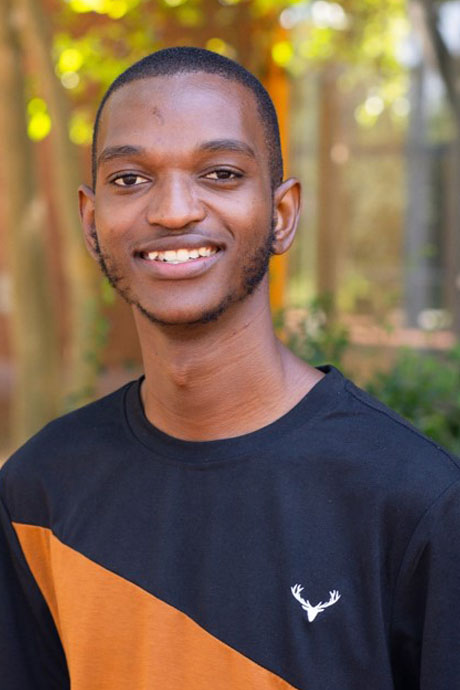
University of Pretoria
BCom Accounting Science
CASE Delegate
Tell us about a time you stepped into something unfamiliar. What did you learn about yourself?
I have lived in 3 different provinces throughout my school career. Each move required me to adapt to a new environment and learn the local language. Everyone around me, including my friends, spoke languages completely different from the ones I was familiar with. Moving from a small town in Mpumalanga to a big city like Pretoria brought a lot of uncertainty. I had to adjust to the faster pace of city life and a new way of living that was less community-focused.
When I started high school, I moved to KwaZulu-Natal. I later returned to Gauteng to complete my schooling and joined the university, again repeating the process of starting over and settling into a new environment.
These experiences have taught me adaptability and resilience. They have showed me that, with an open mind and a willingness to continuously learn, I can adjust to any environment without losing myself and still strive to be the best version of myself in every new environment.
If you had to design a team survival kit for navigating the unknown, what 3 things (skills, attitudes, or tools) would you include?
1 Open-mindedness
2 Resilience
3 Communication
How do you stay grounded when you're outside your comfort zone?
When I'm outside my comfort zone, my awareness levels increase. First, I accept that I am in an uncomfortable and unfamiliar environment. Next, I learn about the environment, mainly by speaking with people and gathering information that can make it feel less foreign. I might not reach a point where I am fully comfortable, but this process helps me avoid feeling overwhelmed and missing an opportunity to grow. I strongly believe that being outside your comfort is what forces you to grow and become a better person. Therefore, all these factors keep me grounded even when I am outside of my comfort zone.

University of Pretoria
BCom (Accounting Sciences)
CASE Delegate
Tell us about a time you stepped into something unfamiliar. What did you learn about yourself?
A time I stepped into something unfamiliar was when I went skiing for the first time – without an instructor or any prior knowledge of skiing. Within the first 10 seconds on the ice, I crashed into someone. There was no way back, and although it was daunting, I had to make my way down the slope.
This experience taught me how resilient and determined I can be, even when I feel completely out of my depth.
If you had to design a team survival kit for navigating the unknown, what 3 things (skills, attitudes, or tools) would you include?
1 Humour – being able to laugh in tough situations keeps spirits up.
2 Grit – The determination to push through challenges.
3 Adaptability – the ability to adjust to the unexpected.
How do you stay grounded when you're outside your comfort zone?
I stay grounded when I am outside my comfort zone by regulating my emotions, staying calm, and focusing on the task at hand, and that helps me push through challenges.

University of Cape Town
BCom Financial Accounting: Chartered Accounting Stream
CASE Delegate
Tell us about a time when you stepped into something unfamiliar. What did you learn about yourself?
A very unfamiliar area I once stepped into was the world of consulting and case interviewing. I loved it, but it really intimidated me. Over time, with practice and support, I learnt how to solve cases and market-size in ways I never imagined possible.
I learnt that I am capable of accomplishing things I think are impossible for me to do. I also learnt to trust the learning curve process.
If you had to design a team survival kit for navigating the unknown, what 3 things (skills, attitudes, or tools) would you include?
1 Water – dehydrated people aren't happy people.
2 Books to defeat boredom.
3 A hopeful spirit.
I believe that a hopeful spirit is the most important when it comes to navigating the unknown. You have to believe that things are going to work out in order to keep moving.
How do you stay grounded when you're outside your comfort zone?
A lot of prayer and worship music (faith); water and being around greenery; crying when feeling overwhelmed; speaking to my mom; and last but not least, hope.

University of Pretoria
BCom Accounting Sciences
CASE Delegate
Tell us about a time when you stepped into something unfamiliar. What did you learn about yourself?
During my studies, the university required us to step into a mock workday with an allocated team. This was something that I had previously never experienced. The lecturers, 'our employers', provided us with a case study on current affairs in the municipality with regard to the recognition of electricity revenue through prepaid meters. We were tasked to complete several tasks throughout the mock workday, each with separate deadlines throughout the day. This forced us to collaborate as a team to plan out our day and to divide and conquer. What I learnt about myself during that day was that I am a person who is very calm under pressure and that I take a leadership position in the delegation of tasks. I would usually not be the person who takes initiative in a group scenario but this was the day that I proved to myself that it is possible and from there on out, I never doubted in my own opinion and ability in a group working environment.
If you had to design a team survival kit for navigating the unknown, what 3 things (skills, attitudes, or tools) would you include?
1 Leadership or initiative.
2 A detailed work plan including goals, actions, results, and evaluation of the results.
3 Can-do attitude.
How do you stay grounded when you're outside your comfort zone?
I always rely on 3 things: my faith in God, my belief in my own ability, and the support of
people around me.
This has allowed me to always feel comfortable in any position that I am in. I never hesitate to ask a question, I know the limits of my own knowledge, and I stand by the principle that all things are possible.